
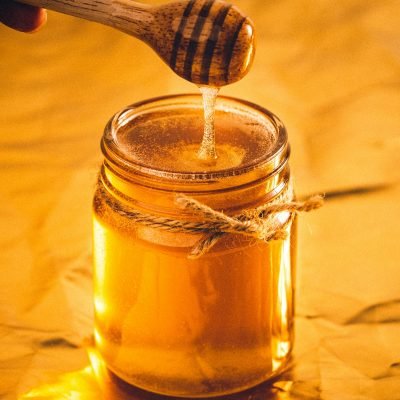
Honey has been part of South Asian kitchens, medicine cabinets, and breakfast tables for generations. In Pakistan, honey isn’t just a sweetener — it’s used in home remedies, added to milk and tea, drizzled over paratha, and even gifted during weddings and Eid. But with rising demand has come a rising problem: a flooded market of sugar-syrup blends sold as “pure honey.”
In this guide, we’ll walk through the types of honey found in Pakistan, the real health benefits backed by research, why adulteration is so widespread, and — most importantly — how to identify and buy honey that’s actually pure.
Why Honey Holds a Special Place in Pakistani Households
From Ayurvedic and Unani traditions to modern nutrition trends, honey has always been viewed as more than a sweet treat in Pakistan. It’s stirred into warm water for digestion, mixed with black seed (kalonji) for immunity, spread on bread for kids’ lunchboxes, and used as a natural energy booster during Ramadan for sehri and iftar. This deep cultural trust is exactly why buying genuine, unadulterated honey matters so much.
Popular Types of Honey Found in Pakistan
Pakistan’s varied climate — from the plains of Punjab to the hills of Khyber Pakhtunkhwa and the deserts of Sindh — allows bees to forage on a wide range of flowering plants. This is why Pakistani honey isn’t just one product; it comes in several distinct types, each with its own colour, flavour, and use.
1. Sidr (Beri) Honey
Sidr honey comes from the flowers of the Sidr (jujube/beri) tree, which grows in select regions of Pakistan and neighbouring countries. It’s thick, dark, and rich in flavour, and is widely considered one of the most premium honey varieties in the region — often compared to the famous Yemeni Sidr honey. Many people specifically look for organic Sidr honey for its strong, distinct taste and traditional reputation as a wellness staple.
2. Wildflower (Multi-Flora) Honey
This is the most common type of honey produced in Pakistan. Bees collect nectar from a mix of wild plants and seasonal flowers, resulting in a lighter, versatile honey that’s great for everyday use — tea, breakfast, baking, or drizzling over fruit. If you want an all-purpose jar for the whole family, raw Wildflower honey is usually the go-to choice.
3. Ajwa-Infused Honey
A more modern favourite, Ajwa honey blends pure honey with the paste of Ajwa dates — a combination rooted in traditional wellness practices and loved for its rich, caramel-like taste. It’s a popular choice for those who want the benefits of dates and honey together in one spoon, such as Ajwa paste in honey.
Health Benefits of Raw, Pure Honey
While honey should never replace medical treatment, raw and minimally processed honey does offer some well-documented benefits as part of a balanced diet:
- Natural energy source: Honey is quickly absorbed by the body, making it a popular natural pick-me-up before or after physical activity.
- Rich in antioxidants: Darker honey varieties, like Sidr, contain plant compounds that help fight oxidative stress.
- Soothing for the throat: A spoonful of honey in warm water or tea is a common home remedy for a scratchy throat and mild cough.
- Supports gut comfort: Raw honey contains natural enzymes and trace prebiotics that many people find gentle on digestion.
- Skin-friendly: Honey’s natural humectant properties make it a popular ingredient in homemade face masks and moisturisers.
If you have diabetes, are pregnant, or have any health condition, it’s best to talk to a healthcare provider about how much honey is appropriate for you — and remember that honey should never be given to infants under one year of age.
The Honey Adulteration Problem in Pakistan
Here’s the uncomfortable truth: honey is one of the most adulterated food products in the world, and Pakistan is no exception. Cheap sugar or corn syrups are sometimes blended into honey to cut costs and increase shelf volume, and food safety authorities have periodically flagged and seized fake honey batches from local markets. Some of these blends are formulated specifically to pass basic purity tests, which makes it even harder for the average shopper to tell the difference just by looking at a label.
This is exactly why sourcing honey from a transparent, quality-focused brand — rather than an unmarked jar at the local shop — matters more than ever.
How to Spot Pure Honey Before You Buy
While no home test is 100% foolproof, these checks can help you make a more informed choice:
- Check the ingredient list. Pure honey should list only “honey” — nothing else. If you see sugar, syrup, or “invert sugar,” put it back.
- Look for crystallisation over time. Raw honey often crystallises naturally in cooler weather; this is actually a good sign of minimal processing, not a defect.
- Avoid honey that’s too runny or overly clear year-round. Heavily processed or syrup-mixed honey tends to stay unnaturally smooth and never sets.
- Buy from brands that share sourcing details. Trusted producers are usually happy to tell you which region and flower source their honey comes from.
- Be wary of unusually low prices. Genuine raw honey takes time and effort to harvest — if a price feels too good to be true, it probably is.
Everyday Ways to Use Honey
- Stir into lukewarm (not boiling) water with lemon as a morning drink
- Drizzle over paratha, toast, or pancakes instead of refined sugar syrups
- Mix into yogurt, oatmeal, or smoothies for natural sweetness
- Use as a glaze for grilled chicken or roasted vegetables
- Add to salad dressings for a subtle sweet-savoury balance
- Combine with warm milk before bed as a traditional nighttime drink
Shop Pure, Organic Honey Online in Pakistan
At Kunn Organics, we work directly with regional beekeepers to bring you honey that’s raw, unheated, and free from added sugar syrups. Whether you’re looking for something bold and traditional or a family-friendly everyday jar, here are a few options worth exploring:
- KU – Sidr (Beri) Organic Honey — rich, dark, and traditionally prized
- KU – Wildflower Honey — a light, versatile everyday honey
- KU – Ajwa Paste in Honey — a rich date-and-honey blend
Each jar is sourced with traceability in mind, so you know exactly what you’re putting in your tea — and on your table.
Frequently Asked Questions
Is honey actually produced in Pakistan?
Yes. Pakistan has a growing beekeeping industry, with honey harvested from regions across Punjab, Khyber Pakhtunkhwa, Sindh, and parts of Balochistan. Local beekeepers produce several varieties, including Sidr and multi-flora wildflower honey, both for domestic consumption and export.
Which type of honey is considered the best in Pakistan?
It depends on what you’re looking for. Sidr honey is generally viewed as the most premium due to its rich flavour and traditional reputation, while Wildflower honey is favoured as an everyday, all-purpose option. Ajwa-infused honey is popular for those who enjoy a date-sweetened twist.
How can I tell if the honey I bought is pure or adulterated?
Check the ingredient label for anything besides “honey,” notice whether it crystallises naturally over time (a good sign), and be cautious of honey that stays unnaturally runny year-round or is priced far below market rate. Buying from a transparent, traceable source is the most reliable safeguard.
Does honey expire?
Pure honey has a very long shelf life and, when stored properly in a sealed container away from moisture, doesn’t really “go bad” in the way most foods do. It may crystallise over time, but this doesn’t mean it has spoiled — gently warming the jar can restore its liquid texture.
Can people with diabetes eat honey?
Honey still raises blood sugar and should be consumed in moderation. If you have diabetes or any other health condition, it’s best to check with your doctor about how much honey, if any, fits into your diet.
Is it safe to give honey to babies?
No. Honey should never be given to infants under one year of age due to the risk of infant botulism. It’s generally considered safe for children older than one, in moderation.
Final Thoughts
Honey in Pakistan carries a legacy of trust — but that trust is only worth as much as the purity of what’s actually inside the jar. Understanding the different types of honey available, knowing what adulteration looks like, and buying from transparent, quality-first sources will help you enjoy all the natural benefits honey has to offer, without the guesswork.
Ready to taste the difference? Browse our organic honey collection and find the jar that’s right for your home.